
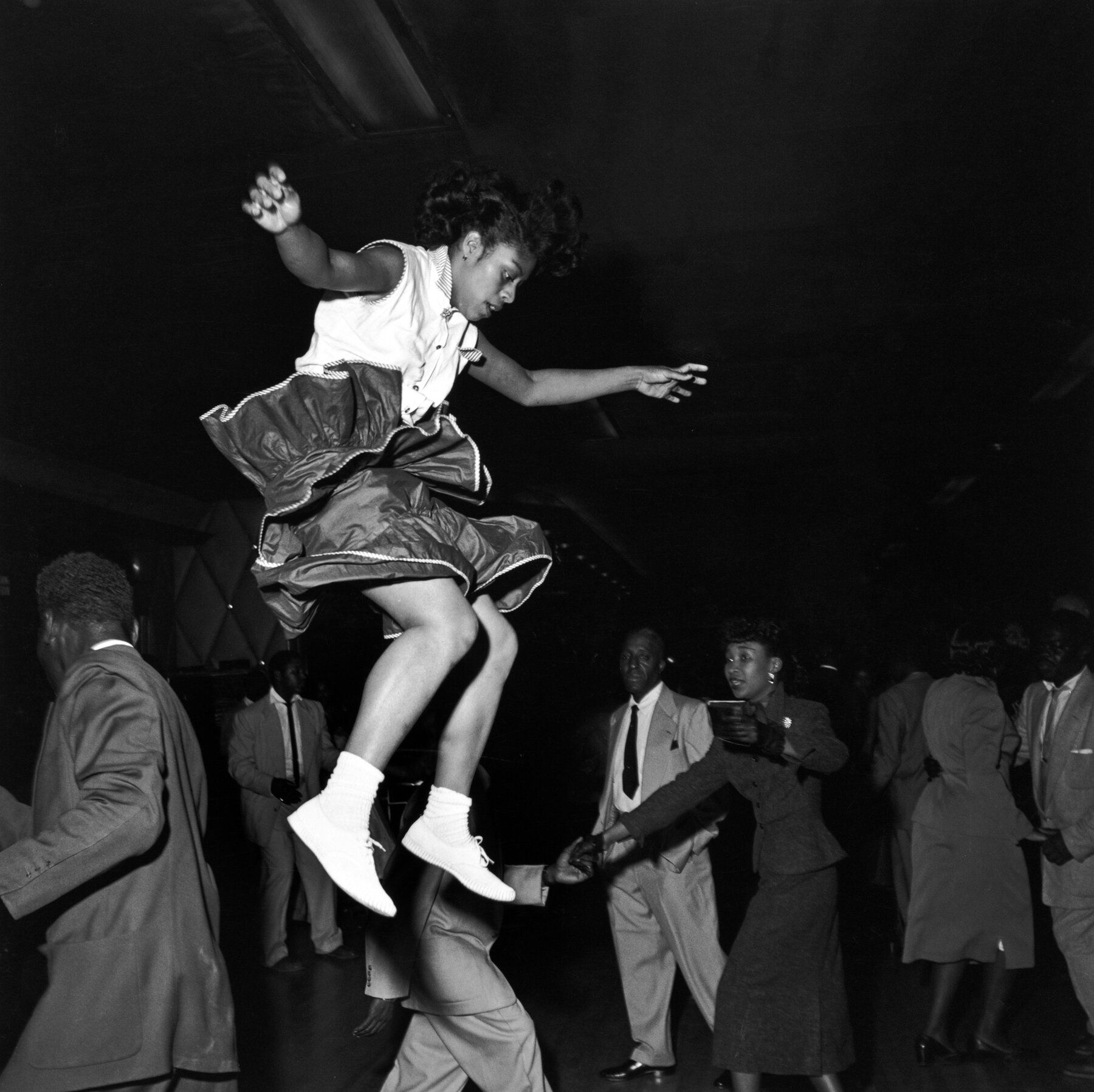
I. A City Awakens: Origins and Pulse of the Harlem Renaissance
In the wake of the First World War, a sea change was underway in the United States. Millions of African Americans, driven by the brutal realities of Jim Crow segregation in the South, left their homes in the Great Migration and sought opportunity in Northern cities. From Chicago to Detroit, Newark to Philadelphia, Black neighborhoods throbbed with new energy, but nowhere was that energy more concentrated than Harlem, a district in northern Manhattan that became both a repository of dreams and a crucible of explosive creativity.
What unfolded in Harlem from about 1918 to the mid-1930s came to be called the Harlem Renaissance: a cultural revolution in which African-American artists, poets, musicians, actors, dancers, and thinkers insisted on proclaiming the depth, richness, and complexity of Black life. At the heart of the movement was a simple but profound declaration: Black culture is American culture.
In 1925, the philosopher and anthologist Alain Locke published The New Negro, an anthology of essays, stories, and poetry that gave voice to this new self-confidence. In proclaiming the age of the New Negro, Locke and his peers rejected the denigration of Black minds and artistry, advocating instead for recognition not as assimilated imitators of Euro-American artistic norms, but as innovators whose work spoke directly from lived experience.
Below the intellectual discourse, Harlem’s streets and nightclubs vibrated with music and movement. Visual artists such as Aaron Douglas reimagined African aesthetics on canvas; writers like Zora Neale Hurston chronicled folk life with unflinching affection; thinkers debated politics and identity alongside others in salons and cafés.
Many artists drew on heritage and vernacular voices. Consider poet , written in the shadow of racial violence. Its lines — “If we must die, O let us nobly die…” —convey both defiance and dignity, a call for resistance in the face of hatred.
This was a Renaissance not in nostalgia but in invention: Harlem became a stage upon which African-American culture declared itself modern, expressive, and unashamed.
II. Jazz: The Soundtrack of a Revolution
When Duke Ellington’s orchestra lifted cane-sweet melodies over packed dance floors at night and Louis Armstrong’s brassy trumpet hissed through speakeasies by day, it was not just entertainment, it was a declaration of a cultural language that spoke of freedom, rhythm, sorrow, joy, and complexity.
Jazz, born in New Orleans, had by the 1920s migrated northward along with the Black
population, evolving rapidly along the way. Its roots in blues, ragtime, and Afro-caribbeandance rhythms made it inherently revolutionary: music built on improvisation, syncopation, and a deep, communicative groove.
In Harlem, jazz was both vernacular and avant-garde. The stride piano style—propelled by virtuosos like James P. Johnson, Willie “The Lion” Smith, and later Fats Waller—elevated the piano to percussive artistry that energized rent parties and club stages alike.
The Cotton Club and the Savoy Ballroom, two landmarks of Harlem nightlife, were crucibles for jazz’s evolution. The Savoy, in particular, was unique: unlike many segregated venues of the era, it was officially integrated: Black and white patrons danced side by side, though not always as equals outside its doors. Here, the syncopated thrust of Fletcher Henderson’s arrangements and Chick Webb’s rhythmic punch gave birth to what would eventually become swing, a music designed to make feet move and hearts race.
The Musicians Who Defined the Era
• Louis Armstrong: With gravelly voice and trumpeting imagination, Armstrong helped transform jazz from loose ensembles into a soloist’s art, forever expanding its
expressive range.
• Duke Ellington: A composer, bandleader, and arranger of peerless ingenuity, Ellington brought jazz into the realm of extended musical forms, blending blues, classical, and popular idioms into richly textured orchestrations.
• Count Basie: masterful pianist and bandleader whose relaxed swing feel helped popularize the infectious swing rhythm that energized dance floors and carried the spirit of the era far beyond Harlem.
• Bessie Smith: Revered as the “Empress of the Blues,” Smith brought raw emotional power to vocal jazz and blues, influencing scores of singers who followed her.
• Ethel Waters: A singer and actress who transitioned from blues to Broadway and Hollywood, Waters embodied the crossover ambitions of Harlem artists.
The influence of jazz extended beyond the clubs. The first Black musical to succeed on Broadway was Shuffle Along (1921), written by Eubie Blake and Noble Sissle, which integrated jazz into theater and opened the door for future Black performers and composers.
Jazz was not merely background music, it became the pulse of contemporary American culture, drawing listeners into a rhythmic world that felt deep, immediate, and entirely new.
III. Dances of Liberation! From Charleston to Lindy Hop
If jazz was the pulse, then dance was its body in motion. In the early 1920s, dances such as the Charleston took hold on Harlem streets and in cabarets. Named for Charleston, South Carolina, this loose, syncopated romp was emblematic of youth culture and defiance, with legs biting forward and arms looping in rapid rhythms that mirrored jazz’s swinging heartbeat.
But as the decade progressed, something even more dynamic emerged: the Lindy Hop, a dance that would come to define the swing era. Born in the late 1920s within Harlem’s Black community, the Lindy Hop fused elements of existing forms—Charleston’s kicks, the Charleston’s breakaway, tap dance’s percussive flair—with spontaneous improvisation rooted in African-American dance traditions.
Its defining figure among early innovators was George “Shorty” Snowden, a charismatic dancer at the Savoy Ballroom. In 1928, amidst one of Harlem’s legendary dance marathons, he and his partner Mattie Purnell stepped out of the closed embraces of traditional social dancing into a freer space—letting movement burst outward. The crowd called it the Lindy Hop!
In the early years, Lindy looked closer to an exuberant Charleston with freer connection and rhythmic freedom, but as jazz evolved, so did the dance. Its open position, elastic rhythm, and space for individual interpretation mirrored jazz’s emphasis on improvisation and communication between dancers and musicians.
From Social Dance to Performance
While ordinary Harlemites brought the Lindy Hop to life on the dance floor—sometimes literally in the streets outside the Savoy—a troupe called Whitey’s Lindy Hoppers took it to stages and screens. Organized by nightclub manager Herbert “Whitey” White, this group showcased dancers who combined social exuberance with athletic virtuosity. Among them was Frankie Manning, whose creativity helped transform the Lindy Hop in the 1930s. Manning choreographed airsteps—dramatic aerial moves that seemed to defy gravity—and helped codify ensemble staging that brought the dance into performance art.
Other figures of note included Norma Miller (later hailed as the Queen of Swing), Al Minns, Leon James, and Pepsi Bethel, whose names would resonate through the decades as keepers and interpreters of this evolving language of movement.
Everyday Life on the Dance Floor
The Savoy Ballroom was described as “The Home of Happy Feet”: and for good reason! Here, from late afternoon into the early morning, orchestras played without pause, dancers exchanged steps and stories, and improvisation was currency. It was not merely a club: it was a community space where young Black Americans articulated joy, identity, and resilience through movement. It was also a crucible for cultural exchange. Because of its integrated policy, white dancers increasingly made their way uptown, drawn by the promise of music and movementthey couldn’t find elsewhere: though the racial realities of society still imposed inequalities outside the ballroom.
Dance battles, spontaneous improvisations, and sheer exuberance made the Lindy Hop more than a dance: it was kinetic conversation: body meeting rhythm, soul meeting sound.
IV. Legacy: Rhythm, Freedom, and a Global Dance Language
By the time the Great Depression and the Stock Market Crash of 1929 began to dim the initial luminance of the Harlem Renaissance, its legacy was already written in sound and motion. Jazz had become mainstream American music. Dance halls from coast to coast echoed with swing music and Lindy steps. And the idea that Black artists were central architects of modern American culture had taken firm root.
In the decades that followed, swing and jazz would evolve: bebop, rhythm and blues, rock and roll, and beyond would each draw from the rhythmic liberation first articulated in Harlem. Lindy Hop would go global, revived in the late 20th century by dancers who saw in its joyful athleticism a language for connection across nations and cultures.
To this day, when dancers step onto a wooden floor to the syncopated rhythm of a swing band, they enact a lineage that began on those crowded Harlem nights: a lineage of creativity, resilience, improvisation, and joy.
V. Further Information
If you want to find more information, here are some websites:
Library of Congress: https://www.loc.gov/classroom-materials/harlem-renaissance/
Metropolitan Museum of Art: https://www.metmuseum.org/ko/perspectives/harlem-iseverywhere-music-and-nightlife
Some period videos: https://youtu.be/UArYXUlPFdo?si=4Qgii0ph7Fhkqm7i

